

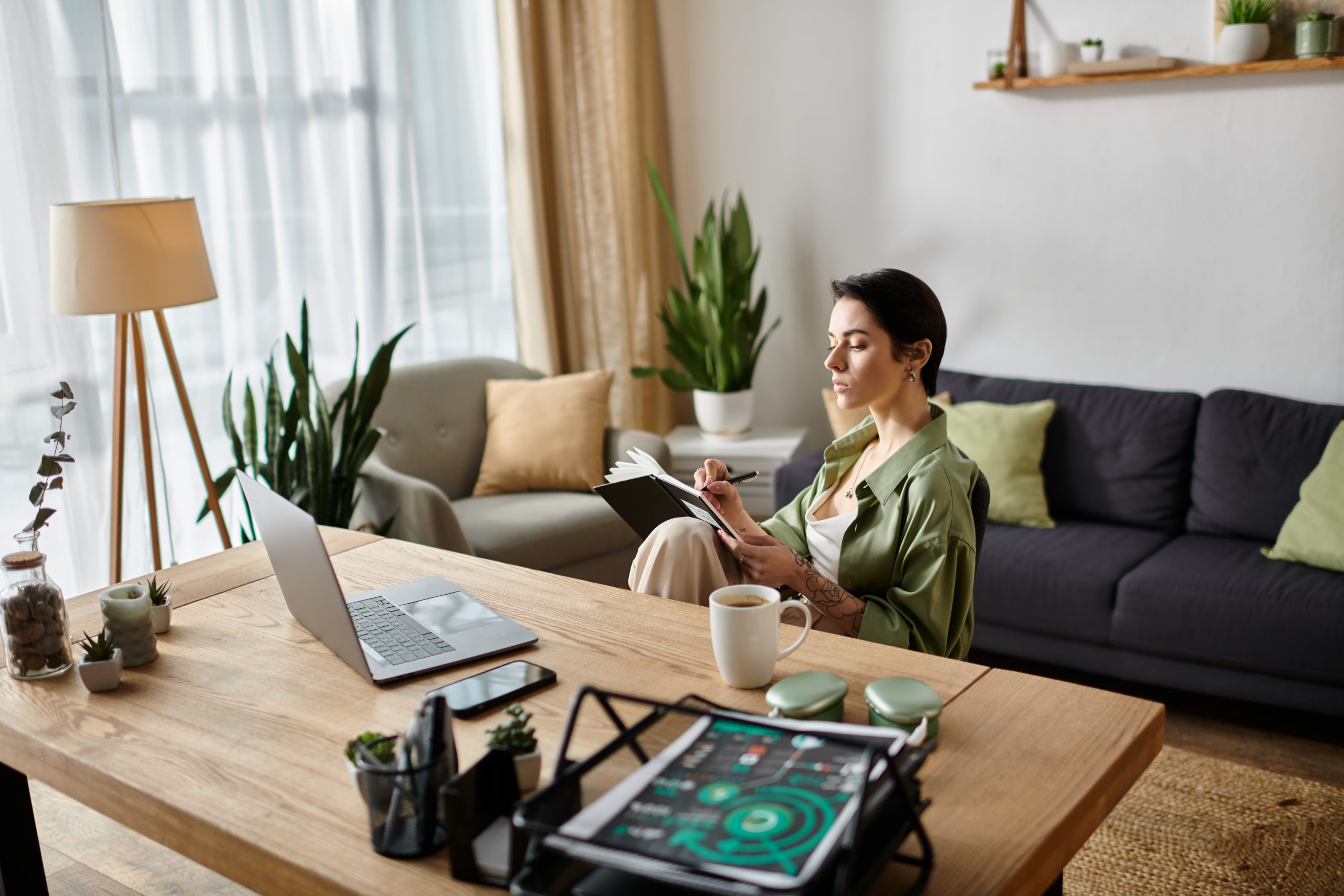
How to nurture your wellbeing when working from home
Whether it’s full-time or part-time, something you fully embrace or have mixed feelings about, it seems that home working is here to stay. While most people have got to grips with the practicalities of working remotely by now, there are other things to consider if it’s to be sustainable in the long term.
It’s widely recognised that working from home during the pandemic took its toll on a lot of people’s mental health. We had all kinds of adjustments to make, depending on our circumstances, such as losing our usual routines, being isolated from our colleagues, and having the distinction between our home and work lives blurred.
Of course, there were some real positives too, and different people have found different aspects of home working beneficial to their wellbeing. For example, those who previously had long, difficult or expensive commutes have welcomed the time and money saved, and the lack of stress. Others relished the quiet of their home office, where they could concentrate on tasks better and get more done without distraction.
But many people struggled with issues such as loneliness, disconnection and a lack of motivation, which was detrimental to their wellbeing and often their productivity too. It’s clear that if these shifts to our working patterns are to be permanent, we need to address these potential issues.
So how can we make sure we get the most out of working from home, while nurturing our mental health? At GO Get Organised, most of us have been doing this for several years, so we’ve put together some of our best tips for making home working a positive experience:
Find the right balance between routine and flexibility – having a routine can help you feel in control of your work and keep it separate it from your home life. So set your alarm in the morning, get (properly!) dressed and try to start work at a certain time each day. But the flexibility offered by home working is obviously a huge perk and can be really helpful if, for example, you need to make a personal appointment during your normal office hours. Try to find a balance between the two that works for you.
Take regular breaks and get outside – without the natural interruptions of office life, you can easily find yourself sitting at your desk for several hours at a time without moving. So make sure you take regular breaks away from the screen, and get outside for some proper fresh air and exercise at least once a day. Whether it’s at lunchtime, first thing in the morning, or after you’ve finished work for the day, it will help keep you mentally and physically healthy, and make you feel connected to the outside world.
Set yourself goals – it can be hard to stay motivated, plugging away at home by yourself, so try setting daily or weekly goals. This will help you feel more positive about the work you’re doing, and reassure you that you’re achieving something. You could share these goals and achievements with friends, family or colleagues for extra motivation.
Make the most of communications tools – everyone’s used to virtual meetings now, but there are lots of other ways of using communications tools creatively to help people feel more connected to each other, from coffee break hangouts to collaboration spaces to quizzes and competitions. This can really enhance both formal and informal work interactions. Why not take the opportunity to expand your horizons and attend a virtual conference, or take part in some virtual networking?*
Talk to people – we are naturally social creatures, and it’s good for our mental health to actually see and talk to people sometimes, not just email or message them. Try making a phone call instead of texting, arrange a face-to-face meeting rather than an online one, meet a friend for a lunchtime walk, join a sports club or an evening class.